Kenya’s vast arid and semi-arid lands (ASALs) home to millions of pastoralists hold immense economic and ecological potential. Yet, for decades, the country has relied on extractive livestock production systems that take more than they build. Recurrent droughts, shrinking pastures, and poor market linkages have left communities vulnerable and the livestock sector underperforming.
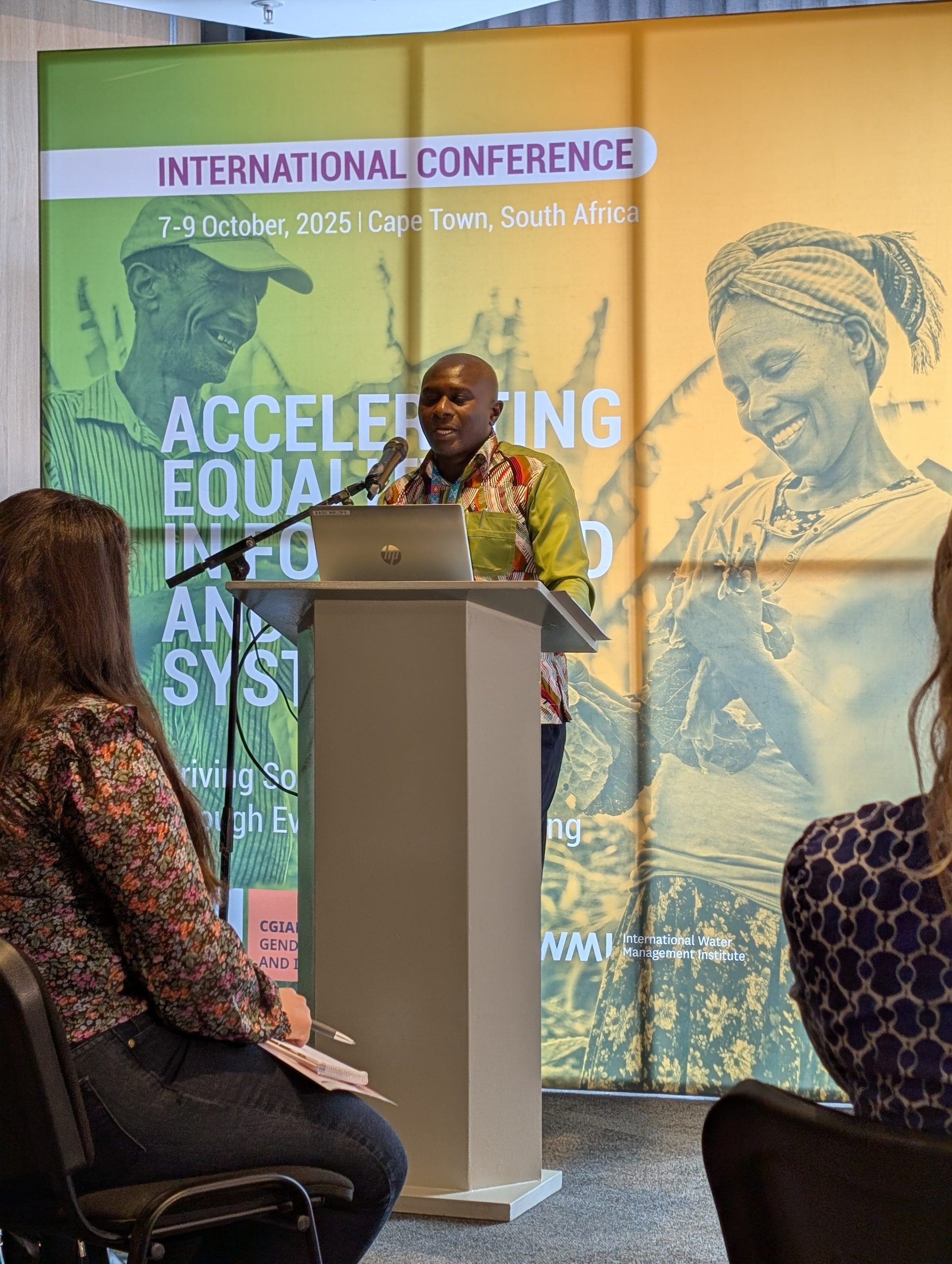
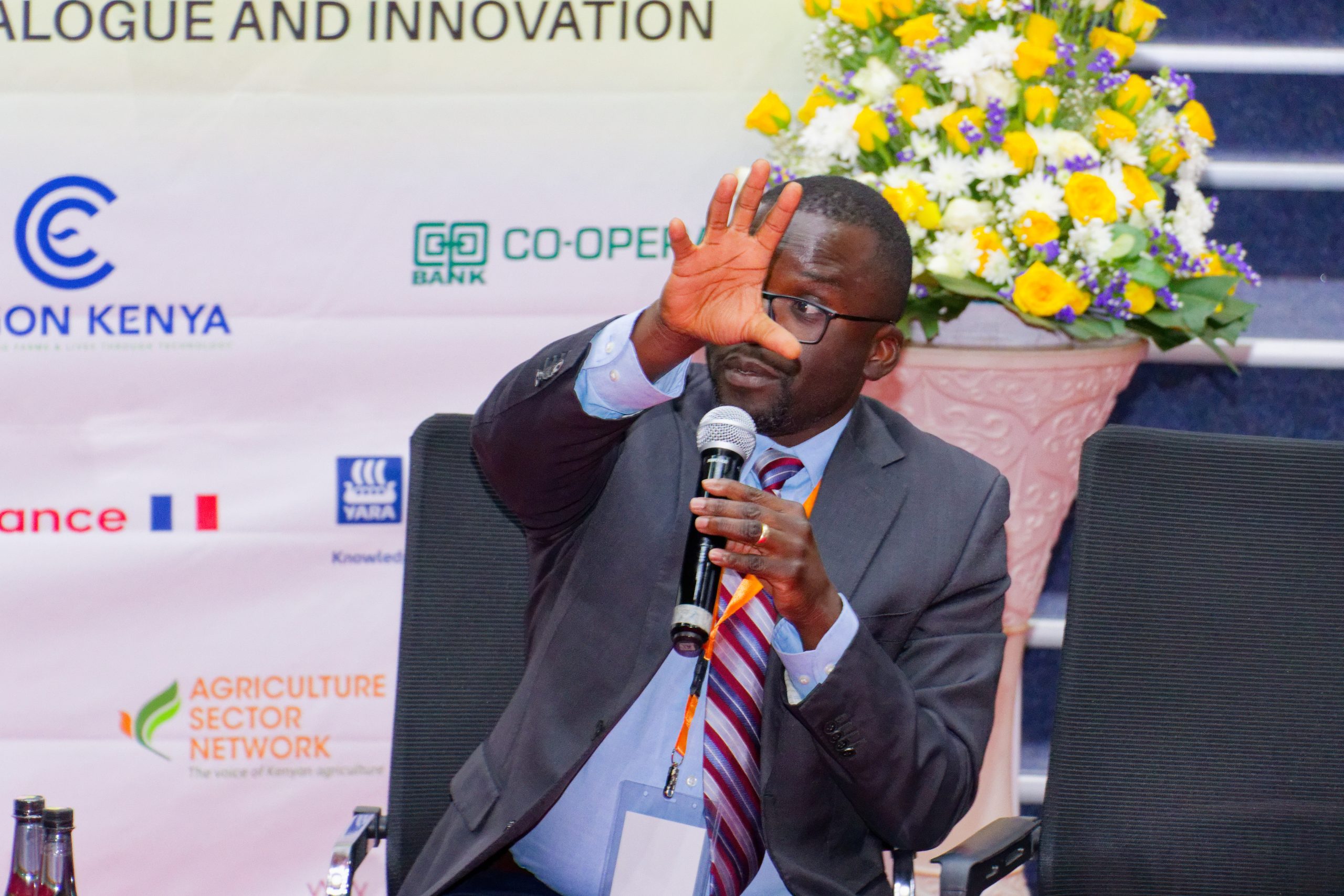
Yesterday at the ASNET Summit 2025, Dr. Denis Mujibi, Associate Director at the Strathmore Agri-Food Innovation Centre (SAFIC), shared a compelling vision for change. His presentation on “Pastoral Market Development: Opportunities for the Private Sector” called for a fundamental shift from extractive to managed systems built on data, innovation, and strong private sector participation.
Dr. Mujibi drew lessons from Australia’s drought management, where despite years of extreme conditions, cattle losses were contained at just 3%. In contrast, Kenya’s 2022 drought wiped out nearly 40% of its livestock. The difference, lies in system management how countries use data, coordinate markets, and maintain feed reserves. Kenya must expedite efforts to transition to a fully managed pastoral system that maximizes productivity and resilience.
SAFIC’s work offers a roadmap for that transition. Through initiatives like AMDiG (Agri-Markets Data for Investment and Growth, Community of Practice (CoP)), the Center is promoting data-driven decision-making to align policy, private investment, and farmer practice. Reliable data on herds, feed balances, and market flows can empower counties and investors to target interventions where they are most needed. For instance, the forage sector alone faces a deficit of 3.6 billion bales of hay, representing a USD 9 billion opportunity if local production can be scaled up.
The livestock economy remains one of Kenya’s greatest untapped assets. With 16.7 million beef cattle, 34 million goats, 23 million sheep, and 4.2 million camels, the country has the foundation for a thriving red meat and leather industry. However, productivity remains low due to limited infrastructure, informal markets, and weak coordination along the value chain.


Strathmore’s Kenya Pastoral Market Development (KPMD) program provides a practical demonstration of what’s possible when pastoralism is supported with smart investment. By linking pastoral producers to offtakers and improving access to quality feed, breeding inputs, and animal health services, the program has helped raise incomes from $400 to $1,200 per year, increased meat production by 25%, and expanded women’s participation to 40%. It has also introduced digital traceability and financial inclusion tools to enhance transparency and resilience among pastoral communities.
Dr. Mujibi emphasized that the next phase of transformation depends heavily on the private sector. From feed production, veterinary services, and aggregation to processing and exports, the opportunities are vast. Private investors can partner with county governments to build climate-smart infrastructure, develop traceability systems, and create sustainable markets for “green beef” and other livestock products.
In conclusion, Dr. Mujibi underscored that Kenya’s pastoral systems are not broken they are simply under-managed. With coordinated investment, reliable data, and innovative business models, Kenya can transform its rangelands into thriving hubs of productivity and resilience. The future of pastoralism lies in smart partnerships that put data, innovation, and people at the heart of development.
Article By SAFIC Communications