Unlocking Data Opportunities: Strathmore Agri-Food Innovation Centre Launches Strategic Webinar Series

[fusion_builder_container type=”flex” hundred_percent=”no” hundred_percent_height=”no” hundred_percent_height_scroll=”no” align_content=”stretch” flex_align_items=”flex-start” flex_justify_content=”center” hundred_percent_height_center_content=”yes” equal_height_columns=”no” container_tag=”div” hide_on_mobile=”small-visibility,medium-visibility,large-visibility” status=”published” border_style=”solid” box_shadow=”no” box_shadow_blur=”0″ box_shadow_spread=”0″ gradient_start_position=”0″ gradient_end_position=”100″ gradient_type=”linear” radial_direction=”center center” linear_angle=”180″ background_position=”center center” background_repeat=”no-repeat” fade=”no” background_parallax=”none” enable_mobile=”no” parallax_speed=”0.3″ background_blend_mode=”none” video_aspect_ratio=”16:9″ video_loop=”yes” video_mute=”yes” absolute=”off” absolute_devices=”small,medium,large” sticky=”off” sticky_devices=”small-visibility,medium-visibility,large-visibility” sticky_transition_offset=”0″ scroll_offset=”0″ animation_direction=”left” animation_speed=”0.3″ filter_hue=”0″ filter_saturation=”100″ filter_brightness=”100″ filter_contrast=”100″ filter_invert=”0″ filter_sepia=”0″ filter_opacity=”100″ filter_blur=”0″ filter_hue_hover=”0″ filter_saturation_hover=”100″ filter_brightness_hover=”100″ filter_contrast_hover=”100″ filter_invert_hover=”0″ filter_sepia_hover=”0″ filter_opacity_hover=”100″ filter_blur_hover=”0″][fusion_builder_row][fusion_builder_column type=”1_1″ layout=”5_6″ align_self=”auto” content_layout=”column” align_content=”flex-start” valign_content=”flex-start” content_wrap=”wrap” center_content=”no” column_tag=”div” target=”_self” hide_on_mobile=”small-visibility,medium-visibility,large-visibility” sticky_display=”normal,sticky” order_medium=”0″ order_small=”0″ hover_type=”none” border_style=”solid” box_shadow=”no” box_shadow_blur=”0″ box_shadow_spread=”0″ background_type=”single” gradient_start_position=”0″ gradient_end_position=”100″ gradient_type=”linear” radial_direction=”center center” linear_angle=”180″ lazy_load=”none” background_position=”left top” background_repeat=”no-repeat” background_blend_mode=”none” filter_type=”regular” filter_hue=”0″ filter_saturation=”100″ filter_brightness=”100″ filter_contrast=”100″ filter_invert=”0″ filter_sepia=”0″ filter_opacity=”100″ filter_blur=”0″ filter_hue_hover=”0″ filter_saturation_hover=”100″ filter_brightness_hover=”100″ filter_contrast_hover=”100″ filter_invert_hover=”0″ filter_sepia_hover=”0″ filter_opacity_hover=”100″ filter_blur_hover=”0″ animation_direction=”left” animation_speed=”0.3″ margin_bottom=”0px” last=”true” border_position=”all” first=”true” min_height=”” link=””][fusion_text columns=”” column_min_width=”” column_spacing=”” rule_style=”” rule_size=”” rule_color=”” hue=”” saturation=”” lightness=”” alpha=”” user_select=”” awb-switch-editor-focus=”” content_alignment_medium=”” content_alignment_small=”” content_alignment=”” hide_on_mobile=”small-visibility,medium-visibility,large-visibility” sticky_display=”normal,sticky” class=”” id=”” width_medium=”” width_small=”” width=”” min_width_medium=”” min_width_small=”” min_width=”” max_width_medium=”” max_width_small=”” max_width=”” margin_top=”” margin_right=”” margin_bottom=”” margin_left=”” fusion_font_family_text_font=”” fusion_font_variant_text_font=”” font_size=”” line_height=”” letter_spacing=”” text_transform=”” text_color=”” animation_type=”” animation_direction=”left” animation_color=”” animation_speed=”0.3″ animation_delay=”0″ animation_offset=”” logics=””]

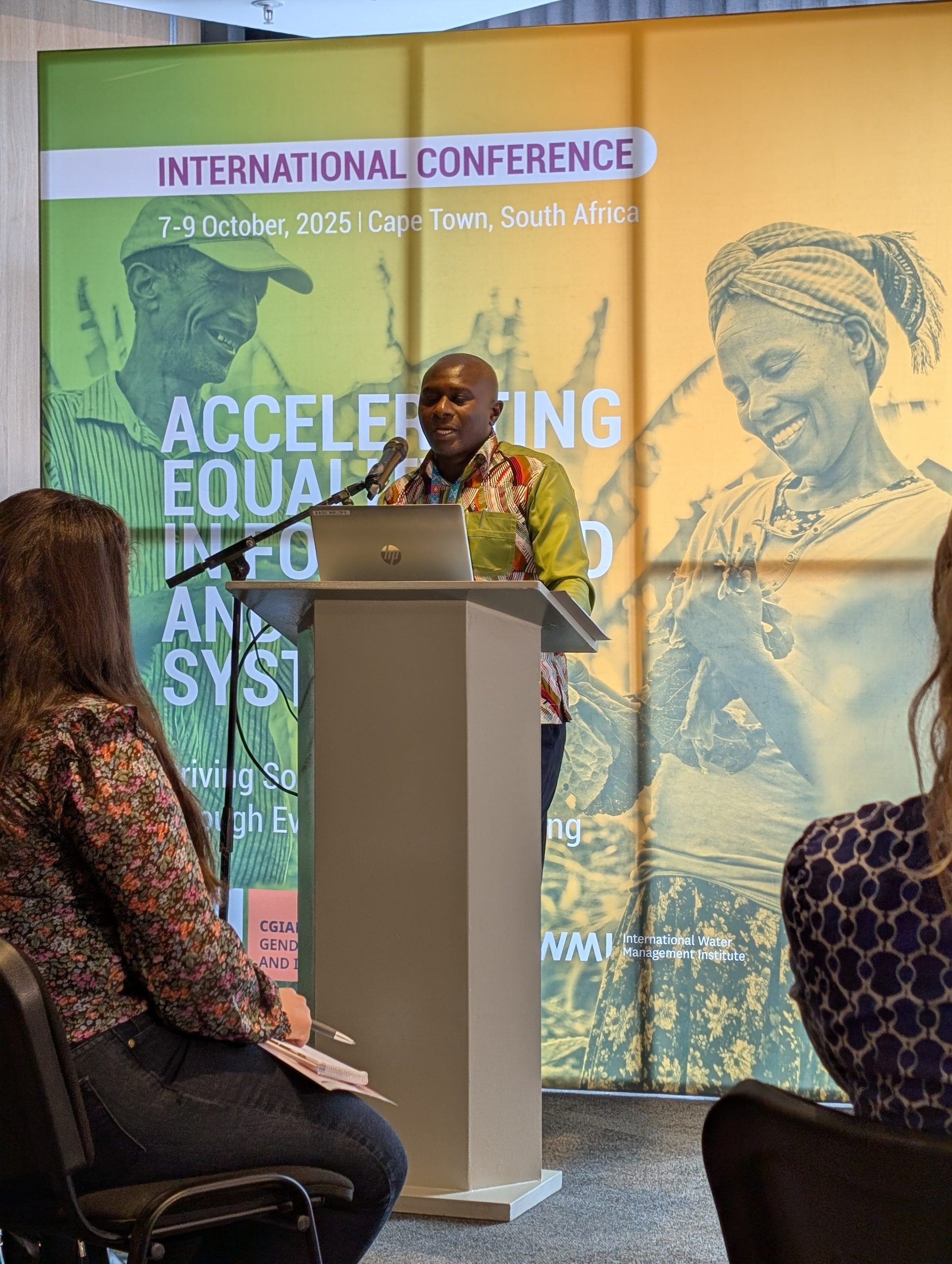
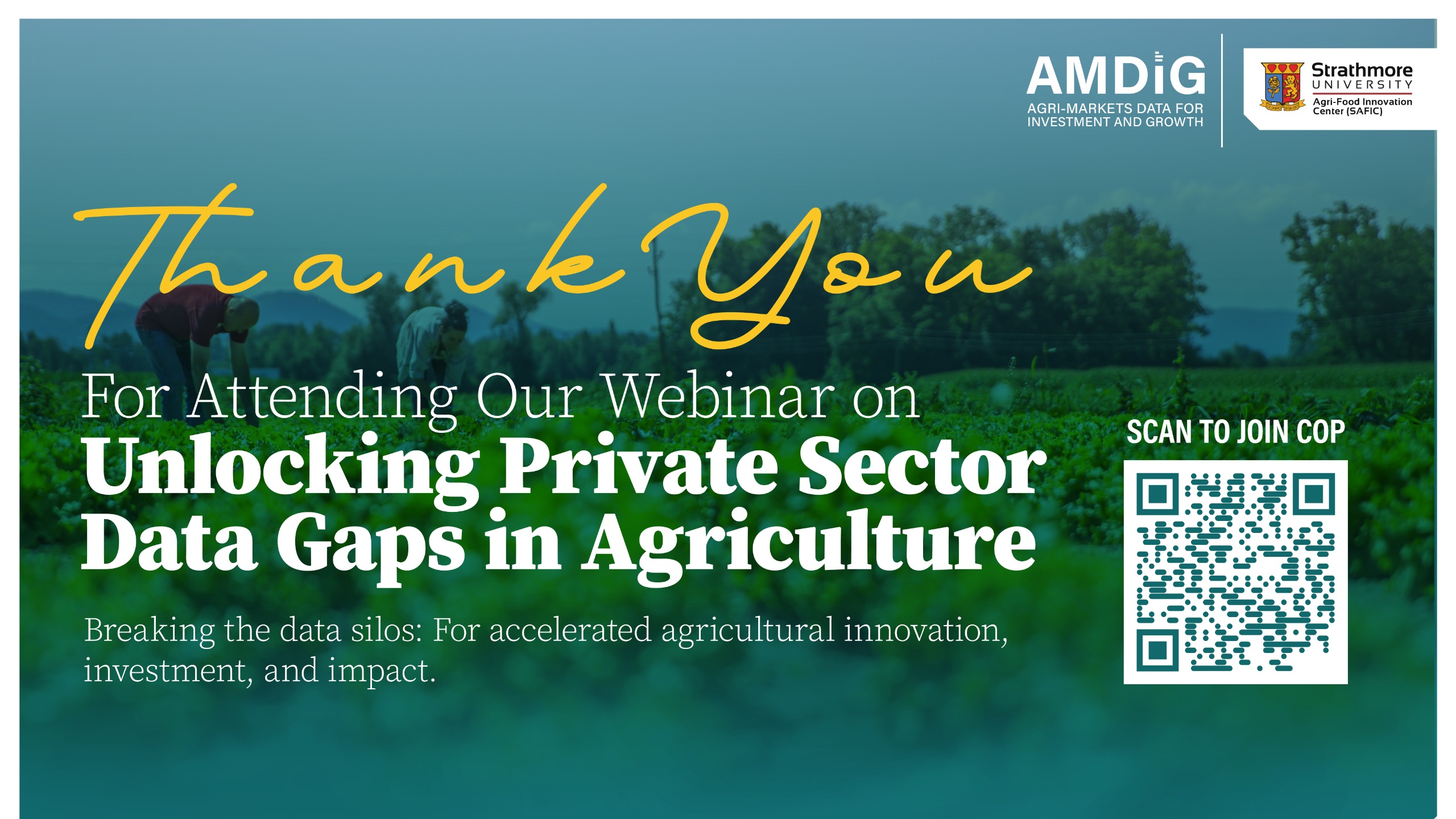
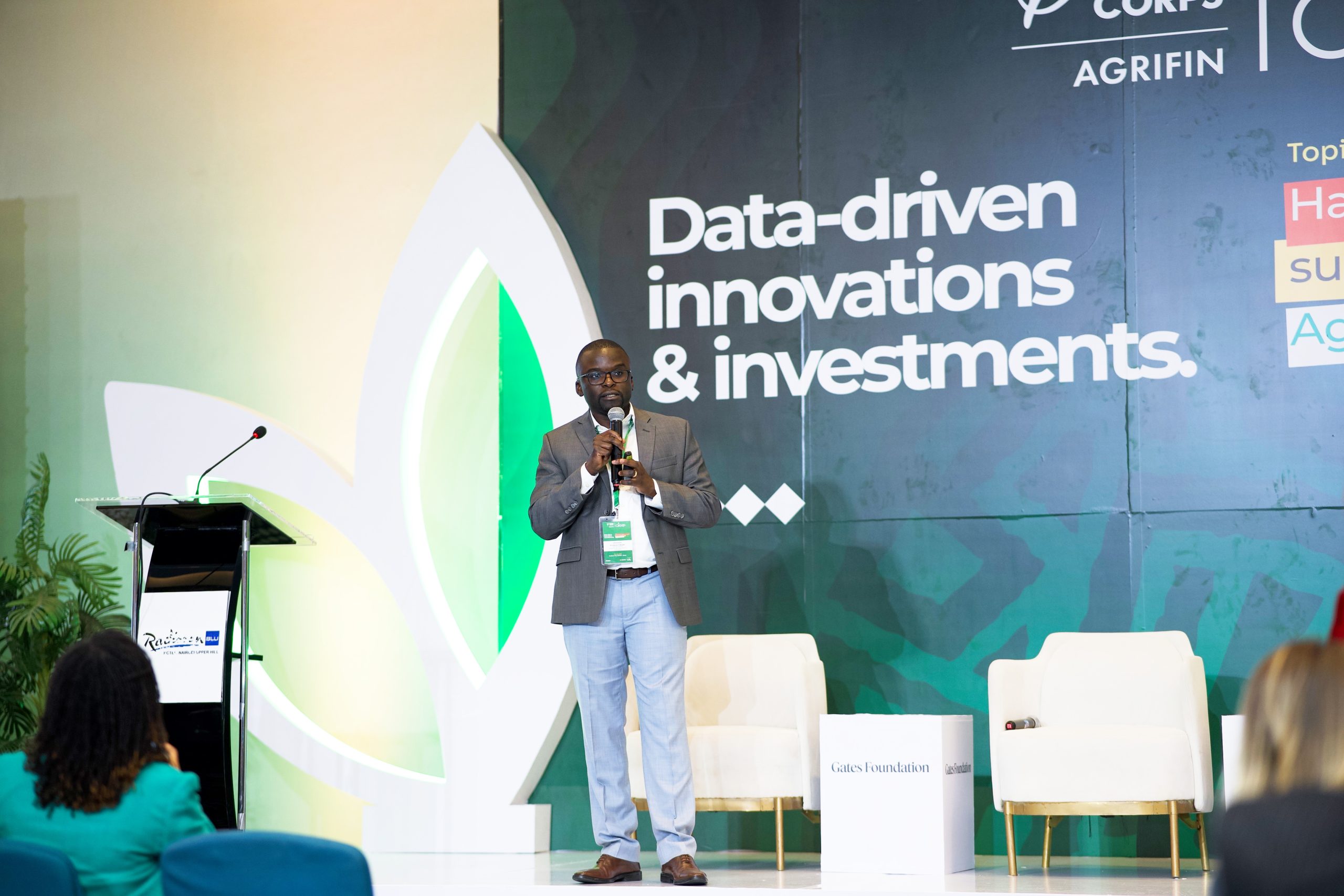
Last week on Thursday, 25th September 2025, Strathmore Agri-Food Innovation Center hosted a webinar session, “Unlocking Data Opportunities for the Private Sector.” The session marked a significant step toward enhancing data-driven decision-making in Kenya’s agricultural sector, bringing together leaders from agribusiness, development, and academia to explore how data can transform food systems.

In his opening remarks, Dr. Denis Mujibi underscored the centrality of data in agricultural markets, noting that alongside finance and commodity flows, data serves as a key enabler of efficiency and growth. “Markets are powered by data. Ineffective data flows stifle growth and distort how value is shared along the value chain,” he said.

The session highlighted persistent challenges in agricultural value chains, particularly limited access to timely, accurate, and actionable data. Such gaps continue to undermine planning, pricing, and production decisions, often leading to inefficiencies and inequitable value distribution.

Speakers emphasized that better data flows could reduce waste, improve compliance with international standards, and align production with actual market demand. The discussions positioned private sector players millers, processors, aggregators, and input suppliers as not only market participants but also critical drivers of sustainability and value creation.

Importantly, the session framed data as more than just a technical resource. It was described as a foundational “infrastructure” necessary for agricultural transformation. Panelists called for collaborative approaches to data governance and, stressing that no single actor can address these challenges in isolation.

The Community of Practice (CoP), a multi-stakeholder platform designed to foster collaboration among the private sector, government, and academia, was part of the topics under discussion. Based on the Triple Helix model (comprising the private sector, government, and academia), the CoP aims to integrate sustainability into Kenya’s agricultural data ecosystem.

[/fusion_text][fusion_slider margin_top=”” margin_right=”” margin_bottom=”” margin_left=”” alignment=”” slideshow_autoplay=”” slideshow_smooth_height=”” slideshow_speed=”” hover_type=”none” width=”” height=”” hide_on_mobile=”small-visibility,medium-visibility,large-visibility” class=”” id=””][fusion_slide type=”image” image_id=”3844|medium” link=”” lightbox=”no” linktarget=”_self”]http://safic.strathmore.edu/wp-content/uploads/2025/09/WhatsApp-Image-2025-09-26-at-15.39.43-300×169.jpeg[/fusion_slide][fusion_slide type=”image” image_id=”3841|medium” link=”” lightbox=”no” linktarget=”_self”]http://safic.strathmore.edu/wp-content/uploads/2025/09/WhatsApp-Image-2025-09-26-at-15.39.43-4-300×300.jpeg[/fusion_slide][fusion_slide type=”image” image_id=”3842|medium” link=”” lightbox=”no” linktarget=”_self”]http://safic.strathmore.edu/wp-content/uploads/2025/09/WhatsApp-Image-2025-09-26-at-15.39.43-3-300×300.jpeg[/fusion_slide][fusion_slide type=”image” image_id=”3843|medium” link=”” lightbox=”no” linktarget=”_self”]http://safic.strathmore.edu/wp-content/uploads/2025/09/WhatsApp-Image-2025-09-26-at-15.39.43-2-300×300.jpeg[/fusion_slide][fusion_slide type=”image” image_id=”3840|medium” link=”” lightbox=”no” linktarget=”_self”]http://safic.strathmore.edu/wp-content/uploads/2025/09/WhatsApp-Image-2025-09-26-at-15.39.43-1-300×300.jpeg[/fusion_slide][/fusion_slider][fusion_text columns=”” column_min_width=”” column_spacing=”” rule_style=”” rule_size=”” rule_color=”” hue=”” saturation=”” lightness=”” alpha=”” user_select=”” awb-switch-editor-focus=”” content_alignment_medium=”” content_alignment_small=”” content_alignment=”” hide_on_mobile=”small-visibility,medium-visibility,large-visibility” sticky_display=”normal,sticky” class=”” id=”” width_medium=”” width_small=”” width=”” min_width_medium=”” min_width_small=”” min_width=”” max_width_medium=”” max_width_small=”” max_width=”” margin_top=”” margin_right=”” margin_bottom=”” margin_left=”” fusion_font_family_text_font=”” fusion_font_variant_text_font=”” font_size=”” line_height=”” letter_spacing=”” text_transform=”” text_color=”” animation_type=”” animation_direction=”left” animation_color=”” animation_speed=”0.3″ animation_delay=”0″ animation_offset=”” logics=””]

The Centre outlined a clear sustainability strategy for the CoP, to establish a self-sustaining ecosystem within three to five years. By creating a viable income stream, the initiative aims to reduce dependence on donor funding and ensure long-term sectoral transformation.

Governance is central to this vision. The CoP has adopted a standardization framework rooted in the FAIR principles: Findable, Accessible, Interoperable, and Reusable. This approach ensures that data generated adheres to scientific rigor and can be integrated by national bodies such as the Kenya National Bureau of Statistics. For members, it guarantees consistency and comparability across organizations while enhancing trust in shared data.

Dr. Denis outlined a clear sustainability strategy for the CoP, to establish a self-sustaining ecosystem within three to five years. By creating a viable income stream, the initiative aims to reduce dependence on donor funding and ensure long-term sectoral transformation.

Governance is central to this vision. The CoP has adopted a standardization framework rooted in the FAIR principles: Findable, Accessible, Interoperable, and Reusable. This approach ensures that data generated adheres to scientific rigor and can be integrated by national bodies such as the Kenya National Bureau of Statistics. For members, it guarantees consistency and comparability across organizations while enhancing trust in shared data.

The session concluded with a strong call to action: co-create, collaborate, and build a shared ecosystem where data is treated as a public good accessible, trusted, and transformative. Participants were encouraged to contribute actively, raise questions, and join the Community of Practice.

By embedding sustainability, governance, and collaboration at the heart of this initiative, the Strathmore Agri-Food Innovation Center is positioning data as a catalyst for efficiency and inclusive growth in Kenya’s agricultural sector.

Join the CoP today through https://safic.strathmore.edu/community-of-practice-registration/

Article by SAFIC Communication
[/fusion_text][/fusion_builder_column][/fusion_builder_row][/fusion_builder_container]